By David Dellenbaugh · BDA Magazine 2008 Annual, pp. 14-15
↓ Readable PDF↓ Original pages (scan)
How to find and use better wind pressure on the beat, since more velocity lets you sail faster and point higher. Dellenbaugh lists the signs of more wind on the water (bigger, tighter ripples, whitecaps, darker colour) and other indicators such as the heel and pointing angle of other boats, flags, smoke and clouds, and notes that a real “puff” may bring only one extra knot. His strategies include lining up your masthead fly with the puffs, sailing toward clouds and the sides of the course in a large light-air fleet, tacking in puffs, watching for “velocity shifts”, and a “connect-the-dots” approach in puffy conditions.
The wind is what makes every sailboat go and, almost always, more is better. Increased velocity makes you move faster through the water and also allows you to point higher. Therefore, when it comes to wind velocity the perfect strategy is easy: just find the area of your course with better pressure and head that way!
Like wind direction, the velocity of the breeze is always changing. Even on a day when it looks like the wind is steady and equal all over your racing area, there will almost always be slight differences in pressure across the course. The key is to find these and take advantage of them.
How to find the puffs
There are a number of ways to identify better pressure on the beat. The most widely used, and usually most reliable, method is simply looking at the pattern and color of the water surface to windward.
There is usually more wind velocity where you can see:
- Bigger ripples or waves
- More tightly packed ripples/waves
- More or bigger whitecaps
- Darker colors (because of the way more ripples reflect the sky color).
You can also use other visual indicators to gauge wind pressure:
- Heel angle of other sailboats
- Pointing angle of other boats
- Action of flags or smoke
- Position and shape of clouds
Many times the differences in pressure across the course are very subtle – they’re big enough to make a significant difference in your performance, but small enough so they are barely perceptible. To find them you must look very closely, use all the indicators available, and train your eye to see very subtle distinctions (see below).
One good way to evaluate wind strength on the beat is by watching the angle of other boats. We usually use another boat’s heading to estimate the wind direction that she has. For example, if a boat on your windward hip is sailing higher than you, she probably has a lift.
However, her angle of sail can also tell us a lot about wind pressure, especially in light to moderate breeze. It could be that the boat on your hip is pointing higher simply because she has more breeze than you. Even one or two knots more breeze may let her sail significantly closer to the wind than you can, so consider this when you are looking for pressure.
Sometimes the ‘puffs’ are not so obvious
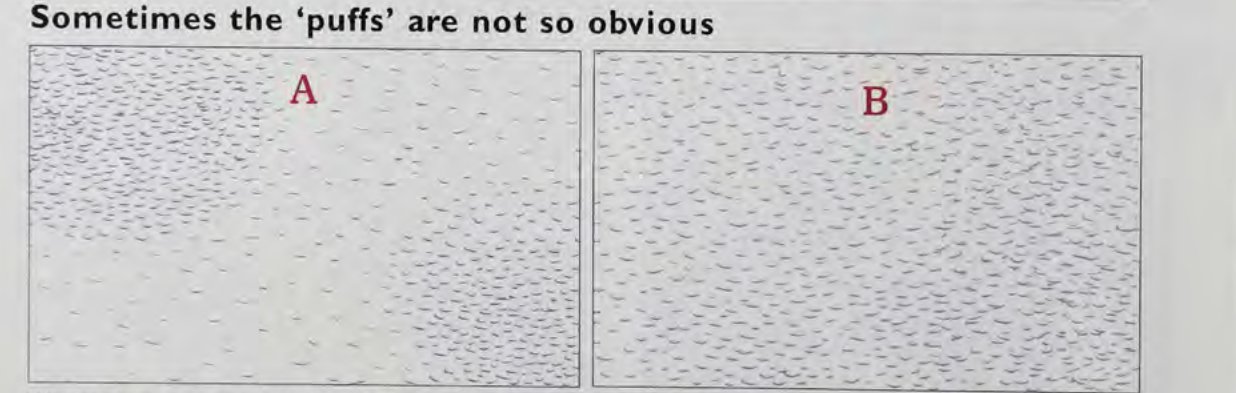
When sailors think about finding puffs, they often imagine a shifty wind blowing off the land (A). In this situation there is usually a large difference in wind velocity between puffs and lulls, so it’s easy to spot areas where there is more or less wind pressure. However, most windward legs do not look like this. Usually the differences in wind pressure on a beat are much more subtle, and a “puff” may bring only one extra knot of wind velocity (B). This is often hard to see, but it could make a huge difference in your boatspeed. Therefore, you must train your eyes to pick up the subtle signs of more wind, especially on those days when it looks like the wind is the same everywhere. (In B there appears to be better wind pressure on the lower right side of the course.)
Wind pressure strategies
When you are developing a strategy for the next windward leg, don’t underestimate the value of finding better pressure. Most sailors focus primarily on windshifts, but sailing in more wind is definitely fast.
There are two important goals when you are strategizing: 1) Figure out where the best wind pressure is on the windward leg; and 2) Make sure that your strategy fits with the wind velocity that you have. Here are some ideas on how to do this:
- Remember that the wind you will get is coming toward you from the direction of your apparent wind. Therefore, line yourself up so your masthead fly is pointing toward the puffs you want to get.
- If there are big clouds on your course, there is usually more wind pressure fanning out on their downwind (front) side. This means it’s a good idea to sail toward clouds that are moving down your beat.
- In a large fleet and light air, there is often more pressure on the sides of the course since the wind tends to lift up over the mass of boats in the middle. It’s not unusual for boats on both sides to come out ahead of boats in the middle.
- In light air it’s especially important to look for areas of better pressure because they have a relatively huge impact on your speed and pointing. In these conditions, pressure is king! So be willing to sail extra distance or take more risk to stay in areas of better wind.
- In heavy air, pay particular attention to course geometry (i.e. your position relative to the windward mark) because your tacking angle is narrower and it’s easy to reach the laylines.
- When you want to tack, try to do this in a puff rather than a lull. You will lose a lot less in maneuvers if you perform them when you have good pressure.
- When you are racing upwind, you will get puffs (and shifts) more quickly than when you are sailing around in the starting area (because you are sailing toward the shifts at a speed equal to your VMG, rather than waiting for them to come).
- Sometimes you must be proactive in getting to a puff sooner. It often pays to pinch toward a puff on your windward side or foot to a puff ahead of you (see page 15).
- Once you’re in a puff, try to maximize the advantage you get from it. For example, be willing to sail a little high or low to stay in it longer. If possible, sail to the far side of the puff and then tack – this way you can sail back through the puff again if it lasts long enough.
- Beware of ‘velocity shifts.’ These are temporary changes in your apparent wind direction caused by changes in pressure. When you sail into a lull it looks like you are getting a header; a puff appears like a lift. Be sure to change gears when this happens and don’t be fooled into thinking these are real shifts in direction.
- It’s very important to keep a good lookout for wind pressure around the course while you are racing. Assign at least one person to watch what’s happening to windward on both sides of the course.
- Keep in mind that current can have a great impact on wind pressure. The great thing about sailing upwind is that when you find better current you will also have better wind pressure, so head directly for these areas.
BASIC PRINCIPLE – Sail toward more wind.
OK, this may seem so obvious it doesn’t need to be stated, but it’s amazing how often boats fail to sail toward better pressure on the beat. Of course, wind pressure is just one of many strategic considerations; however, wind is the force that powers a boat, and more wind almost always makes a boat go faster.
So put a high priority on staying in areas of better wind – this is a sure-fire strategy, especially when the breeze is light to medium, or when there’s a big difference in velocity between the puffs and lulls.
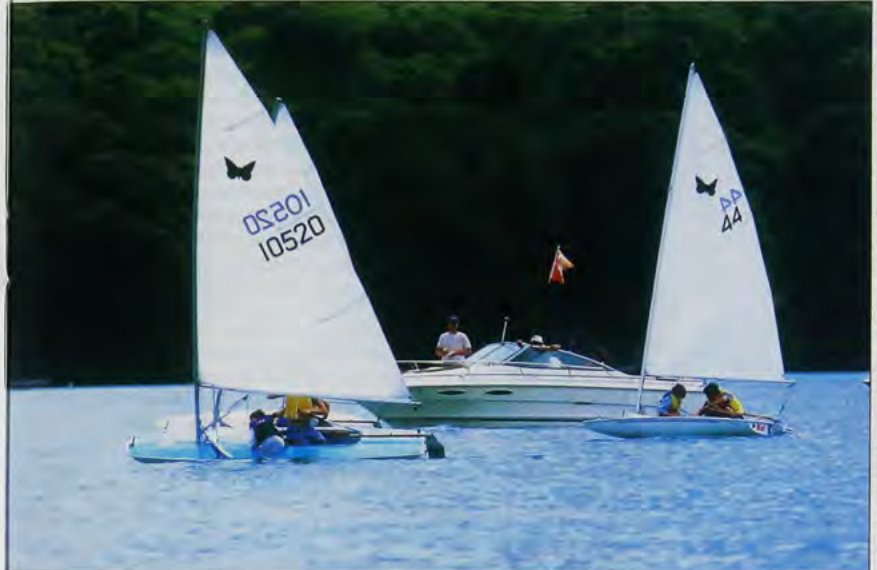
“Connect the dots”
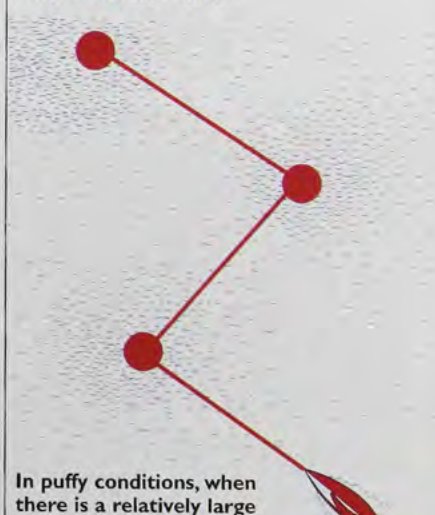
In puffy conditions, when there is a relatively large difference in wind velocity between gusts and lulls, it’s critical to stay in better pressure as much as possible. The best strategy is often a “connect-the-dots” approach where you sail a course that takes you from puff to puff. Though it’s not usually a great idea to chase after wind shifts, going for puffs works well.
Originally published as “Wind velocity – Try to find the best pressure” in the BDA Magazine 2008 Annual. © David Dellenbaugh / Speed & Smarts, reproduced in Dragon News by permission. Reproduced with permission.
← Back to the Technical Library